When choosing between asphalt batch plants, procurement decisions must focus on total lifecycle costs rather than a headline asphalt batching plant price. Evaluating a mobile asphalt batch mixing plant option requires layering mobilization and site-preparation, operating consumption and maintenance, compliance and retrofit exposure, and residual value into a per-ton model. This article presents a decision-focused checklist and procedural safeguards—itemized bids, validated performance data, scenario stress tests, and contractual milestones—so buyers can compare options on realistic long‑term economics rather than short‑term sticker prices.
Expand capital comparisons to include mobilization and site works
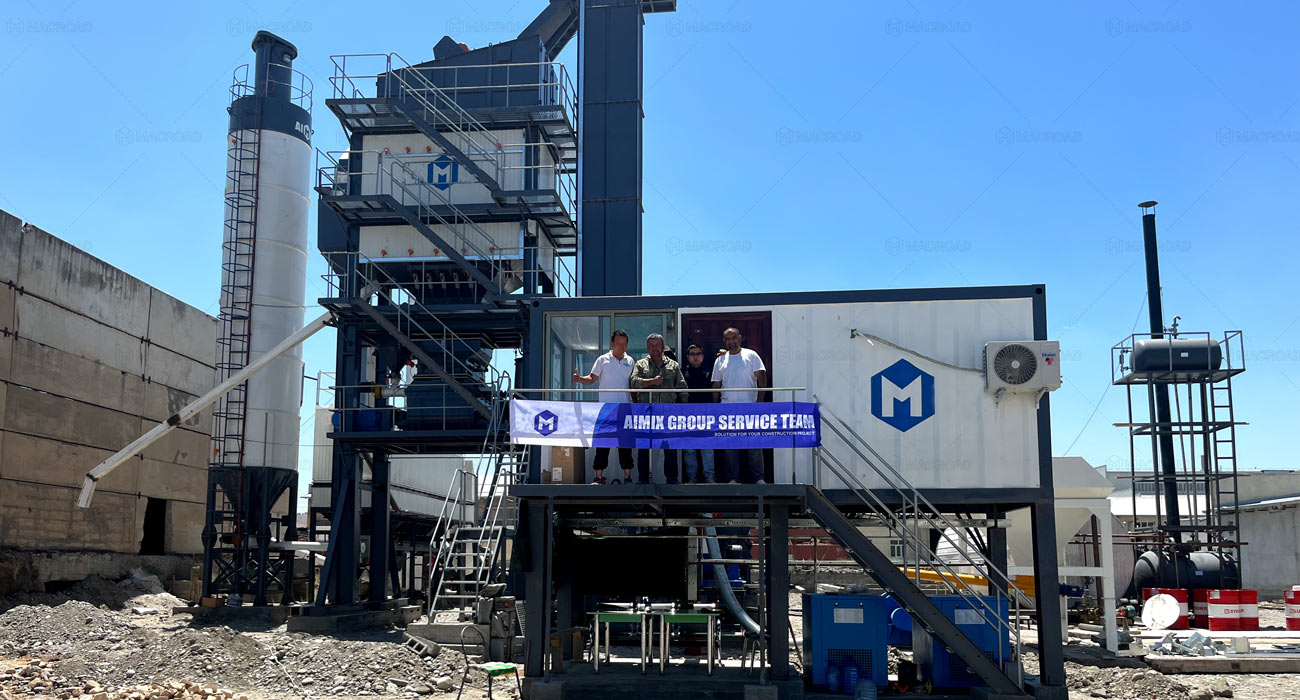
A fair comparison starts by converting the quoted asphalt batching plant price into a consolidated capital cost. For a mobile asphalt batch mixing plant, apparent savings on permanent civil works can be offset by transport, rigging, repeated setup, and disassembly costs if the unit moves between sites. Fixed installations, conversely, usually require reinforced pads, drainage, permanent utility extensions, and dedicated access works that raise upfront outlay.
Decision-makers should require itemized bids that separate equipment, transport, foundations, temporary utilities, and access improvements. Amortize the consolidated capital over an agreed production volume and expected service life. Explicitly state assumptions—number of relocations, site durations, and average throughput—so per-ton capital charges reflect operational reality rather than optimistic sales-line figures.
Model operating consumption, maintenance, and availability risk
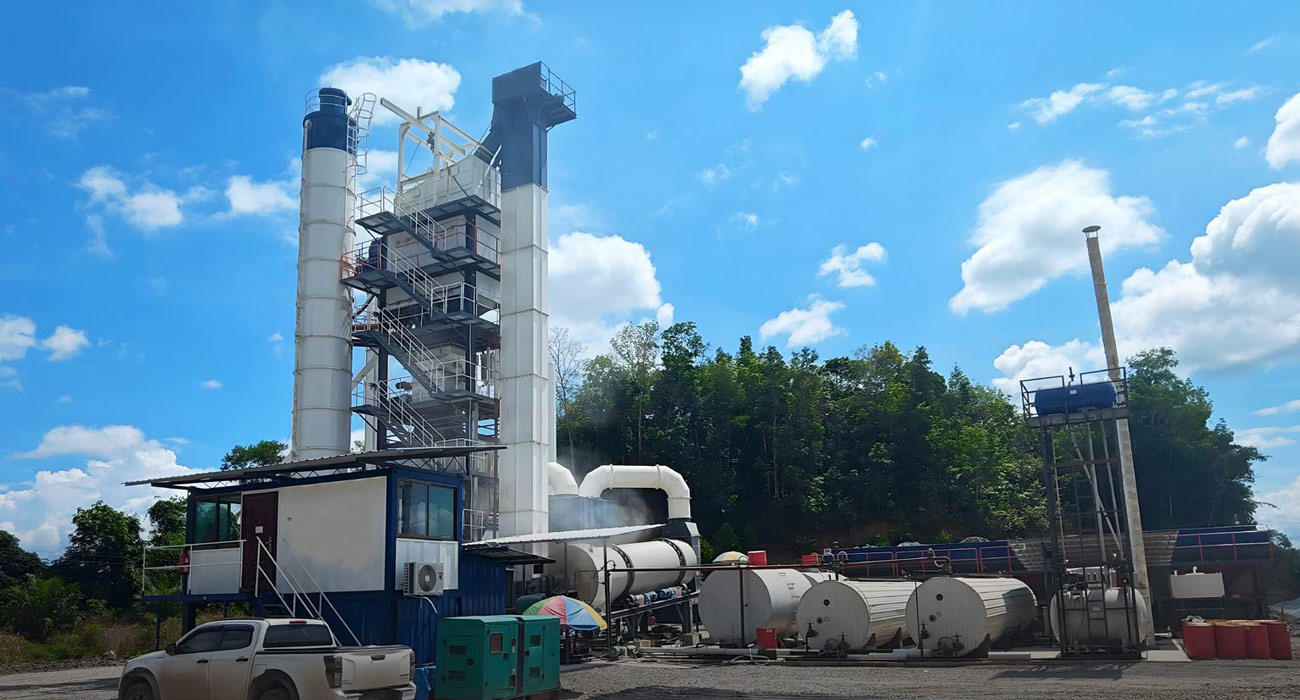
Operating costs often drive lifecycle economics more than capital. Model burner efficiency, fuel and electricity consumption, binder heating losses, and aggregate-handling energy for each configuration. Mobile layouts can be less thermally stable and require more frequent adjustments, which increases fuel and bitumen loss per ton; stationary type asphalt batch plants may achieve steadier operating efficiency at scale.
Include maintenance regimes and downtime in the model. Obtain mean-time-between-failure metrics, typical repair durations, spare-part lead times, and training requirements. Convert expected availability into lost-production costs and fold these into the per-ton figure. Require suppliers to provide empirical production and fuel-consumption curves, plus maintenance logs from comparable units, to validate assumptions used in budgeting.
Account for compliance costs, retrofit exposure, and end-of-life value
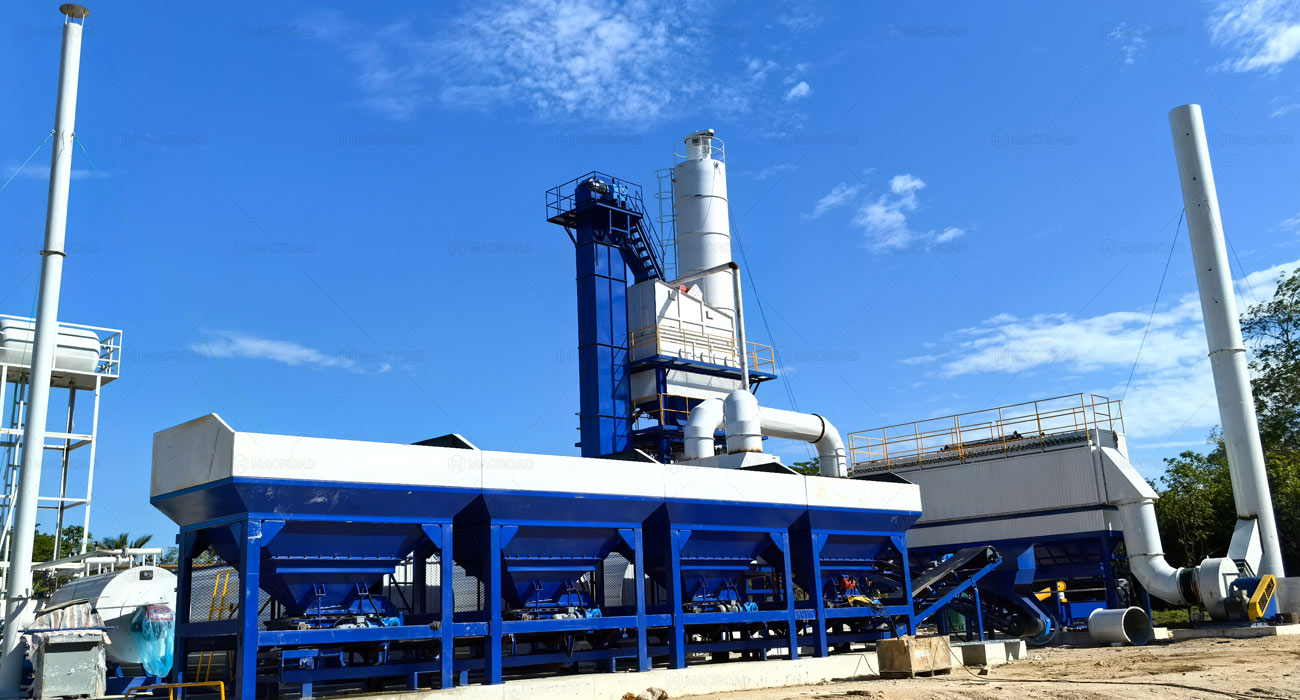
Regulatory compliance imposes capital and recurring expenses: emissions controls, dust collection, wastewater management, monitoring systems, and reporting. Mobile asphalt batch mixing plant configurations may require modular pollution-control packages that increase initial outlay and complicate logistics; buyers should therefore estimate potential retrofit needs if standards tighten and include monitoring calibration and permit-reporting labor in operating budgets. When suppliers claim simplified permitting for mobile setups, request documented evidence of prior compliance work and the modular control specifications that will be delivered.
Residual value influences lifecycle cost: mobile units typically retain higher redeployment and resale value, which lowers net cost, while fixed installations often depreciate more and face constrained secondary markets. Develop conservative depreciation and salvage scenarios and build those figures into per-ton calculations. Finally, quantify permit-related inspection frequencies and potential noncompliance penalties to capture regulatory risk in financial comparisons, and ask suppliers to back resale and retrofit value estimates with verifiable data—examples include component conformity certificates and test records from manufacturers such as Macroad.
Use scenario testing and contractual safeguards
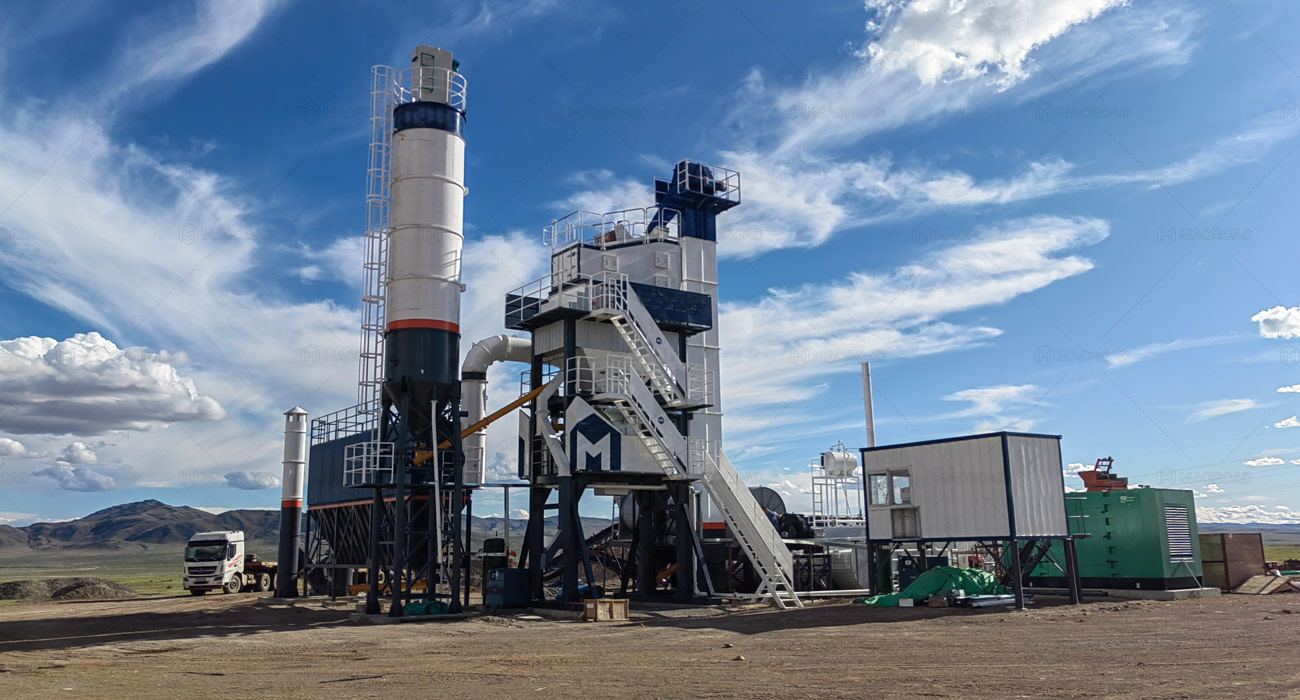
Construct a scenario-based financial model that layers asphalt batching plant price with mobilization, site works, operating consumables, maintenance, compliance, training, downtime risk, and resale value. Run sensitivity analyses for throughput fluctuation, fuel-price swings, and stricter emissions rules. Ask suppliers to substantiate inputs with production curves, fuel-consumption data, and maintenance histories.
Convert negotiated commitments into enforceable contract milestones: commissioning emissions tests, acceptance production runs, documented availability targets, and remediation pathways if performance falls short. Require delivery of operator training, spare-part kits, and written retrofit options for emission controls. These contractual protections shift some lifecycle risk back to the supplier and reduce the buyer’s exposure to hidden long‑term costs.
Conclusion
Evaluating asphalt batch plants requires treating asphalt batching plant price as a starting point, not a decision endpoint. Combine capital, mobilization, operating and maintenance costs, compliance exposure, and residual value into a transparent per‑ton model, validate inputs with supplier data, stress‑test scenarios, and lock guarantees into contracts. This approach reveals whether asphalt batch mixing plant truly delivers lower lifecycle cost or only a lower initial price.